
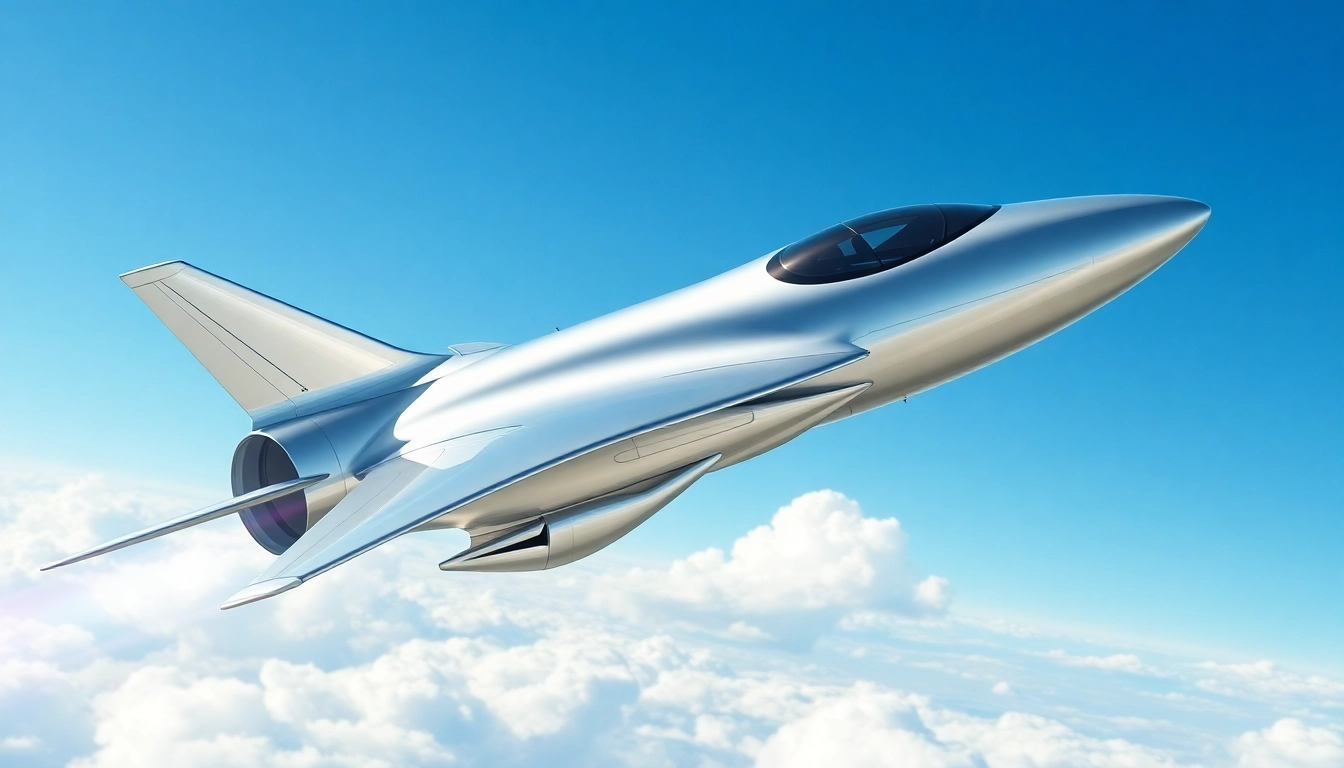
Understanding the NK 88 Engine Technology
The NK 88 turbofan engine marks a significant advancement in aerospace technology, showcasing an innovative approach to power and efficiency. Developed by the renowned Kuznetsov Design Bureau, the NK 88 represents a groundbreaking leap towards integrating alternative fuel options into modern aviation. As the aviation industry increasingly prioritizes sustainability and performance, understanding the intricacies of the NK 88 technology becomes paramount for aeronautics professionals and enthusiasts alike. This article delves deep into the evolution, features, impact, and future potential of the NK 88 engine, providing valuable insights into its transformative role in the aerospace sector. For those seeking detailed resources and insights, NK 88 offers a comprehensive overview and updates on this revolutionary technology.
The Evolution of Turbofan Engines: NK 88’s Role
Turbofan engines have evolved significantly since their inception, moving from basic designs to highly sophisticated systems capable of meeting the demands of modern aviation. The NK 88 engine stands as a hallmark of this evolution, reflecting the industry’s shift towards more efficient and environmentally friendly technologies. Traditional engines typically relied on fossil fuels, which have significant environmental implications. In contrast, the NK 88 is designed to operate on alternative fuels, making it a pivotal player in the future of sustainable aviation.
Key Features That Set NK 88 Apart
Several features distinguish the NK 88 from its competitors. Its design incorporates an advanced hybrid technology that optimally balances performance and ecological considerations. The engine’s lightweight materials contribute to an improved power-to-weight ratio, enhancing the overall efficiency of aircraft. Furthermore, the NK 88 boasts a lower noise profile, addressing one of the critical concerns in urban air travel. Its adaptability for various aircraft types indicates its potential for widespread application across the aviation sector.
Comparative Analysis with Other Turbofan Engines
When compared to other turbofan engines, such as the Pratt & Whitney PW1000G and the Rolls-Royce Trent XWB, the NK 88 showcases distinct advantages. While these engines perform exceptionally well within their operational parameters, the NK 88’s potential to utilize alternative fuels may provide a competitive edge as the aviation industry shifts towards sustainability. Additionally, the NK 88 is designed for better performance metrics in various environmental conditions, which can enhance its suitability for diverse flight routes.
Impact of NK 88 on Modern Aircraft Designs
The integration of the NK 88 engine technology is reshaping modern aircraft designs in profound ways. By leveraging the unique features of this engine, aerospace manufacturers can innovate designs that are not only efficient but also environmentally responsible.
Integrating NK 88 into Next-Gen Aircraft Models
Aircraft manufacturers are already exploring ways to incorporate the NK 88 into next-generation models. The potential for lightweight and efficient designs allows for greater range and payload capacities, which are critical for both commercial and military applications. Moreover, the engine’s compatibility with alternative fuel sources aligns with global efforts to reduce aviation’s carbon footprint.
Performance Metrics: Efficiency and Power
Performance metrics are central to evaluating the success of any advanced engine technology. The NK 88 is designed to optimize both fuel efficiency and thrust, allowing aircraft to achieve superior performance. Reports indicate that the NK 88 can outperform many existing engines in terms of specific fuel consumption, making it an attractive option for both new aircraft designs and retrofits on existing platforms.
Challenges in Adopting NK 88 Technology
Although the NK 88 holds much promise, several challenges lay ahead for its widespread adoption. Regulatory compliance concerning emissions, the need for fueling infrastructure that supports alternative fuels, and the initial costs of transitioning to new technologies are significant hurdles. Addressing these challenges will require collaboration between manufacturers, governments, and the aviation community.
Industry Applications and Innovations Driven by NK 88
The NK 88 engine is not just a marvel of engineering; it is set to drive innovations across the aerospace industry. Its potential applications extend beyond traditional commercial aviation, opening up diverse avenues for exploration.
Case Studies of Successful Implementations
As aerospace manufacturers begin to implement the NK 88 in their designs, initial case studies are emerging. Some companies have reported enhanced fuel economy and lower emissions in test flights utilizing the NK 88 engine. For example, a recent test flight of a modified aircraft equipped with the NK 88 demonstrated a remarkable reduction in operational costs while maintaining performance standards.
Emerging Trends in Aerospace with NK 88
- The shift towards hybrid power solutions combining traditional jet fuel with alternative fuels.
- Increased investment in research and development for sustainable aviation technologies.
- Collaboration between governments and private sector initiatives to foster innovation in aircraft design.
Future Potential of NK 88 in Military Aviation
The military sector stands to benefit significantly from the NK 88 engine technology. Its adaptability for high-performance applications makes it suitable for next-generation fighter jets and transport aircraft. The potential for reduced logistical costs associated with fuel could be transformative in military operations, especially as armed forces worldwide seek to optimize their fleets.
Environmental Considerations in NK 88 Development
As the aviation sector grapples with sustainability challenges, the NK 88 engine offers potential solutions that align with environmental goals. The development of this engine reflects broader initiatives aimed at reducing aviation’s ecological impact.
Alternative Fuels and Sustainability Goals
The use of alternative fuels in the NK 88 engine is essential for achieving sustainability goals in aviation. By enabling operations on fuels such as biofuels or Hydrogen, the NK 88 sets a precedent for future developments in engine technology. This strategy not only addresses emissions concerns but also promotes energy security across the industry.
The Role of NK 88 in Reducing Carbon Footprint
By integrating advanced technologies aimed at minimizing emissions, the NK 88 is positioned to play a significant role in reducing the overall carbon footprint of aviation. With airplanes accounting for a considerable portion of greenhouse gas emissions, the transition to engines like the NK 88 could lead to substantial environmental improvements.
Regulatory Challenges and Compliance for NK 88 Engines
Navigating the regulatory landscape will be crucial for the NK 88’s acceptance in the aviation market. Ensuring compliance with international standards and addressing concerns related to emissions and noise levels will be pivotal in enhancing the engine’s credibility among manufacturers and airline operators.
Looking Ahead: The Future of NK 88 and Aerospace Engineering
The future of the NK 88 engine appears bright as it promises to revolutionize aerospace engineering in the coming years. Predictions suggest that by 2025, the engine design will further evolve to meet emerging industry needs.
Predictions for NK 88’s Evolution by 2025
As the demand for efficient and eco-friendly engines grows, the NK 88 is expected to undergo enhancements that will boost its performance and adaptability. Innovations in materials and hybrid technologies could result in an even lower environmental impact, placing the NK 88 at the forefront of aerospace engineering.
Investment Opportunities in NK 88 Technology
The growing interest in sustainable aviation technologies presents multiple investment opportunities. Stakeholders in the aerospace industry, including investors and manufacturers, are likely to focus on developing the NK 88 and similar technologies as they seek to capitalize on market demands for greener solutions.
Expert Insights on the Future of Aerospace Engines
Industry experts predict that engines like the NK 88 will become standard in future aircraft designs. As more companies embrace sustainability, the NK 88 exemplifies the potential for innovation in aerospace engineering. The constant drive towards efficiency and environmental responsibility will likely propel further advancements in this field.
As the aviation industry evolves, the NK 88 engine stands as a testament to the dedication of engineers and innovators in creating a sustainable future for air travel. For those interested in more information on NK 88 technology or engagement opportunities, visit Liên Hệ NK88.
